What Sponsors Want from Music Festival Deals in Changing Times.
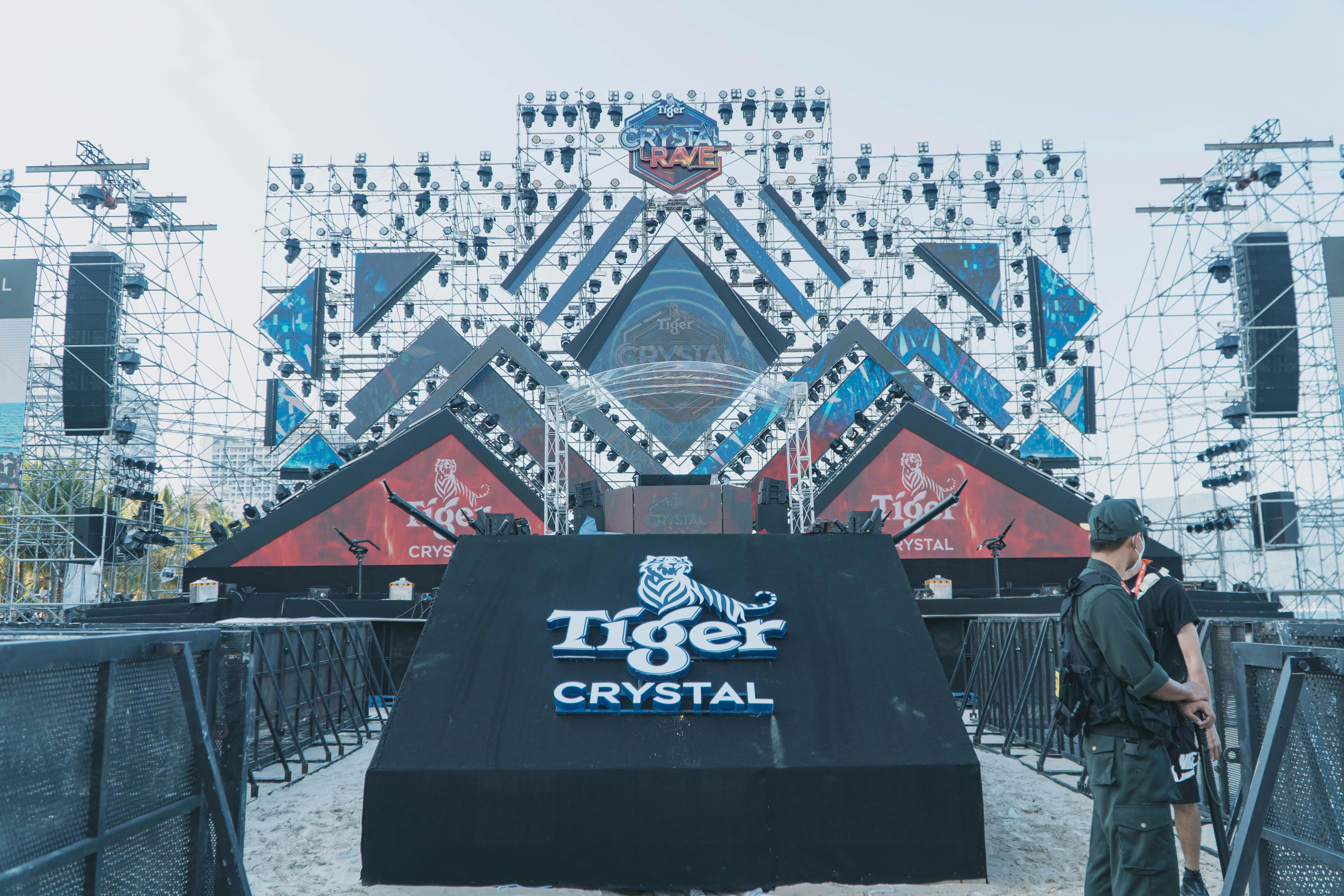
Revenue from sponsorship deals is an essential part of the overall revenue for the majority of music festival organising entities. Securing a deal is more challenging in the current environment with more festivals chasing limited deals where the demands from sponsors are changing because of increased financial scrutiny and advances in technology.
Corporate marketing teams are usually responsible for allocating a percentage of their budgets to event sponsorship. These organisations are coming under pressure to justify this expenditure which flows down to any deals done with music festivals. The traditional use of a sponsor's logo on a website or ticket along with on-site flags and banners is no longer sufficient to satisfy the demands from sponsors. Increasingly they want more engagement with their target audience in a way that provides definitive measurable impact metrics. What do organisers need to be aware of when pitching to sponsors to maximises their chances of securing a deal.
Sponsor Revenue for Festival Organisers.
The revenue from sponsorship deals is needed by festival organisers to contribute towards rising costs like artists fees and production which have been squeezing profit margins more every year. The percentage of total revenue that now comes from sponsorship is typically between 10% and 25% for most sizable music festivals. If a portion of sponsorship revenue can be obtained early in the planning process, it can help the organisers with their up-front expenditure and improves cash flow. Securing a sponsorship deal that extends beyond a single event also helps protect the long-term viability of a music festival.
Demographic Profiling Alignment.
Every organiser will have to make a pitch to potential sponsors, and the corporate marketing team now has high demands on what that a pitch should contain. Sponsor organisations use the latest data technology and analysis to understand their ideal customer profile and want to see how this aligns with the demographics of festival-goers for a specific event. Festival organisers need to collect and analyse their audience data to produce detailed demographics that include age, location, interests, spending habits, media consumption, and lifestyle values. In addition, a potential high-end luxury sponsor will want to know the profile details of VIP ticket buyers compared to the general sale ticket buyers. Additional alignment data on current topics like sustainability and diversity are also increasingly important.
Measuring Impact.
Sponsors want to know what return on investment they will get from their participation as a sponsor of a festival. Casual and anecdotal evidence is no longer sufficient; sponsors will demand detailed data from organisers that clearly demonstrate how festival-goers have interacted with the sponsor before, during and after an event. Sponsors are increasingly involved in the digital online presence and activity in partnership with the festival. They will expect to see data that provides total impressions, reach, and engagement (likes, shares, comments) generated by their branded content and activations. In addition, sponsors want to corroborate website traffic that includes data from custom UTM links and QR codes showing the direct traffic driven from the festival to their website or specific landing page. Sponsors will be capturing leads from their involvement along with how many convert to customers and the potential revenue value; organisers need to assist them with accurate data capture.
Added Value and Services.
Most sponsors are no longer satisfied with a simple reproduction of their logo; they now demand greater participation in festival activities. This can include interactive and shareable experiences like branded relaxation zones or a branded custom photo booth, for example. The joint integrated activities between sponsors and organisers should not be intrusive but have a perceived added value experience for festival-goers. This could include branded live streams, influencer takeovers, and real-time social media events. Any sponsor activities should not be limited to the live event dates but can start well in advance with pre-registration promotions and continue post event too. This provides an opportunity for year-round engagement with audiences.
For festival organisers planning their next event using a software management platform like Festival Pro gives them all the functionality they need manage every aspect of their event logistics. The guys who are responsible for this software have been in the front line of event management for many years and the features are built from that experience and are performance artists themselves. The Festival Pro platform is easy to use and has comprehensive features with specific modules for managing artists, contractors, venues/stages, vendors, volunteers, sponsors, guestlists, ticketing, site planning, cashless payments and contactless ordering.
Image by Quyn Pham via Pexels
<< Back to articles
Contact us
Get in touch to discuss your requirements.
US: +1 424 485 0220 (USA)
UK: +44 207 060 2666 (United Kingdom)
AU: +61 (2) 8357 0793 (Australia)
NZ: +64 (0)9887 8005 (New Zealand)