Training for Medical Emergencies at Music Festivals.
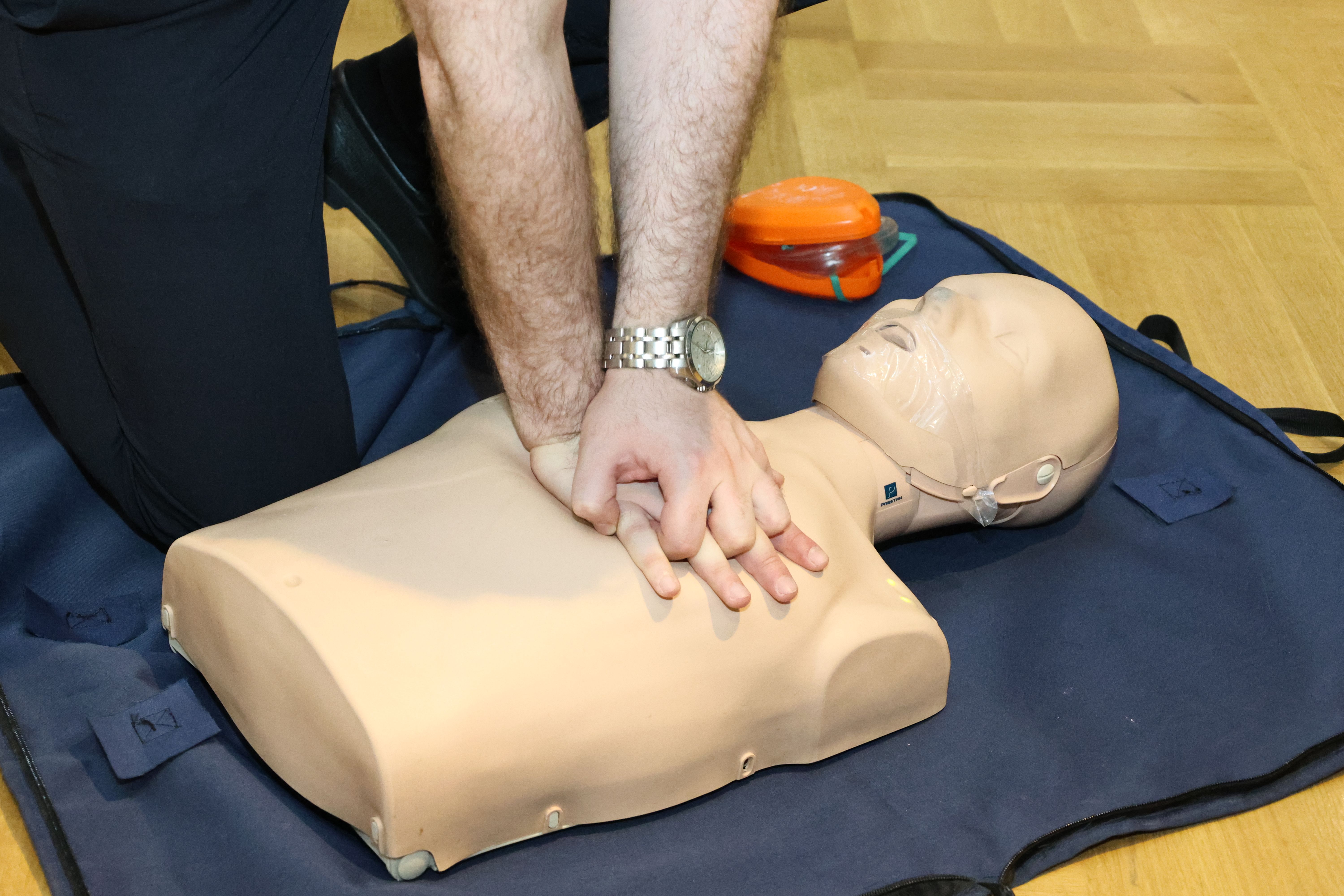
The priority for any music festival entity is the safety of everyone who is likely to be on the site, before, during and after the live event dates. The provision of adequate on-site medical facilities and the training of appropriate individuals is a key part of every organiser's safety protocols. What's involved in getting everyone trained for possible medical emergencies.
A large-scale outdoor music festival presents numerous risks that can result in injury or worse to anyone on-site. The build-up and tear down phases of any festival can involve construction and rigging contractors using heavy equipment in a congested environment significantly increasing the risk of accidents. The live event dates will see an influx of festival-goers and workers who can be impacted by numerous factors like alcohol and drug consumption, extreme weather, fatigue and crowd density issues. Getting staff and volunteers trained for possible medical emergencies ensures they can respond quickly to reduce harm and potentially save lives.
Safety Protocols at Festivals.
Every festival organiser conducts risk assessments as part of their planning process, and this always includes their safety protocols. These procedures help to protect festival-goers, staff, artists, contractors, and volunteers which reduce operational and legal risks. A key part of the safety protocols is producing a written emergency response plan which details incident procedures. The provision of adequate medical capabilities is well planned and should include comprehensive on-site medical centres plus first aiders and welfare facilities depending on the size of the event. The establishment of robust communication systems with defined emergency procedures and codes ensures that organisers can respond quickly and appropriately.
Common Medical Emergencies.
There is no single factor that can lead to a medical emergency, and organisers must plan to be able to handle a vast array of incidents and situations. This can range from the effects of alcohol intoxication and drug related overdoses to heat exhaustion and dehydration, for example. Less common are cardiac emergencies, seizures, asthma attacks, and allergic reactions. Organisers will also have to deal with minor medical issues like trips and falls or mental health conditions. In rare cases, more serious emergencies may occur like crowd crushes, fire, or temporary structure failures where everyone will need to be evacuated. Modern safety protocols are ensuring that such serious occurrences remain the exception.
Who Gets Trained in What?
Festival staff and volunteers will need to be trained and briefed on the emergency protocols and procedures issued by the organisers and ensure that they know what to do in different scenarios. The most important aspect of any training is to recognise and accurately assess medical emergencies so that the affected individual can be directed to an appropriate service which could be the medical centre, first aid station of welfare facility. It is normal for staff and volunteers to get trained in basic first aid (CPR, recovery position, airway management, bleeding control, management of unconscious casualties and choking response) before the event starts. As alcohol and drug related medical emergencies are the most common occurrence on a festival site staff and volunteers should receive specific training to identify signs of opioid overdose, stimulant-related emergencies, alcohol poisoning, mixed substance reactions and Naloxone awareness where permitted. Operational staff will need to coordinate medical centres and welfare facilities to ensure they are aware of the agreed medical emergency processes and procedures.
Effective Training Methods.
The delivery of training can directly affect how information is learnt and retained, so for staff and volunteers scenario-based training is the recommended method. Practical exercises are generally more effective than classroom only instruction. Typical scenarios used by training professionals can include how to deal with a cardiac arrest in a crowd which involves early recognition, communication, crowd control, and CPR, for example. Other common scenarios can include assessment of drug overdoses and dealing with heat stroke or dehydration. Mass casualty incident scenarios like crowd crushes, terrorist attacks, fire or severe weather require specific training related to crowd control, evacuations and coordination with external emergency services.
Training Technology.
Advancements in technology are making medical emergency training more cost effective with realistic scenario exercises made possible. Using Virtual Reality headsets enables trainers to put trainees directly into an emergency situation and is particularly useful for experiencing and learning about crowd control, evacuations and major incidents. AI software is enabling the generation of realistic but random scenarios where response times and decision making can be assessed. For large teams like volunteers who are conducting their training remotely, the use of digital learning platforms are gaining popularity. These platforms allow for ongoing assessment, refresher sessions, and certification; however, there is no substitute for face-to-face practical exercises where resources permit.
For festival organisers planning their next event using a software management platform like Festival Pro gives them all the functionality they need manage every aspect of their event logistics. The guys who are responsible for this software have been in the front line of event management for many years and the features are built from that experience and are performance artists themselves. The Festival Pro platform is easy to use and has comprehensive features with specific modules for managing artists, contractors, venues/stages, vendors, volunteers, sponsors, guestlists, ticketing, site planning, cashless payments and contactless ordering.
Image by Tahir Xelfequliyevvia Pexels
<< Back to articles
Contact us
Get in touch to discuss your requirements.
US: +1 424 485 0220 (USA)
UK: +44 207 060 2666 (United Kingdom)
AU: +61 (2) 8357 0793 (Australia)
NZ: +64 (0)9887 8005 (New Zealand)