Music Festival Safety Through Gate and Capacity Management.
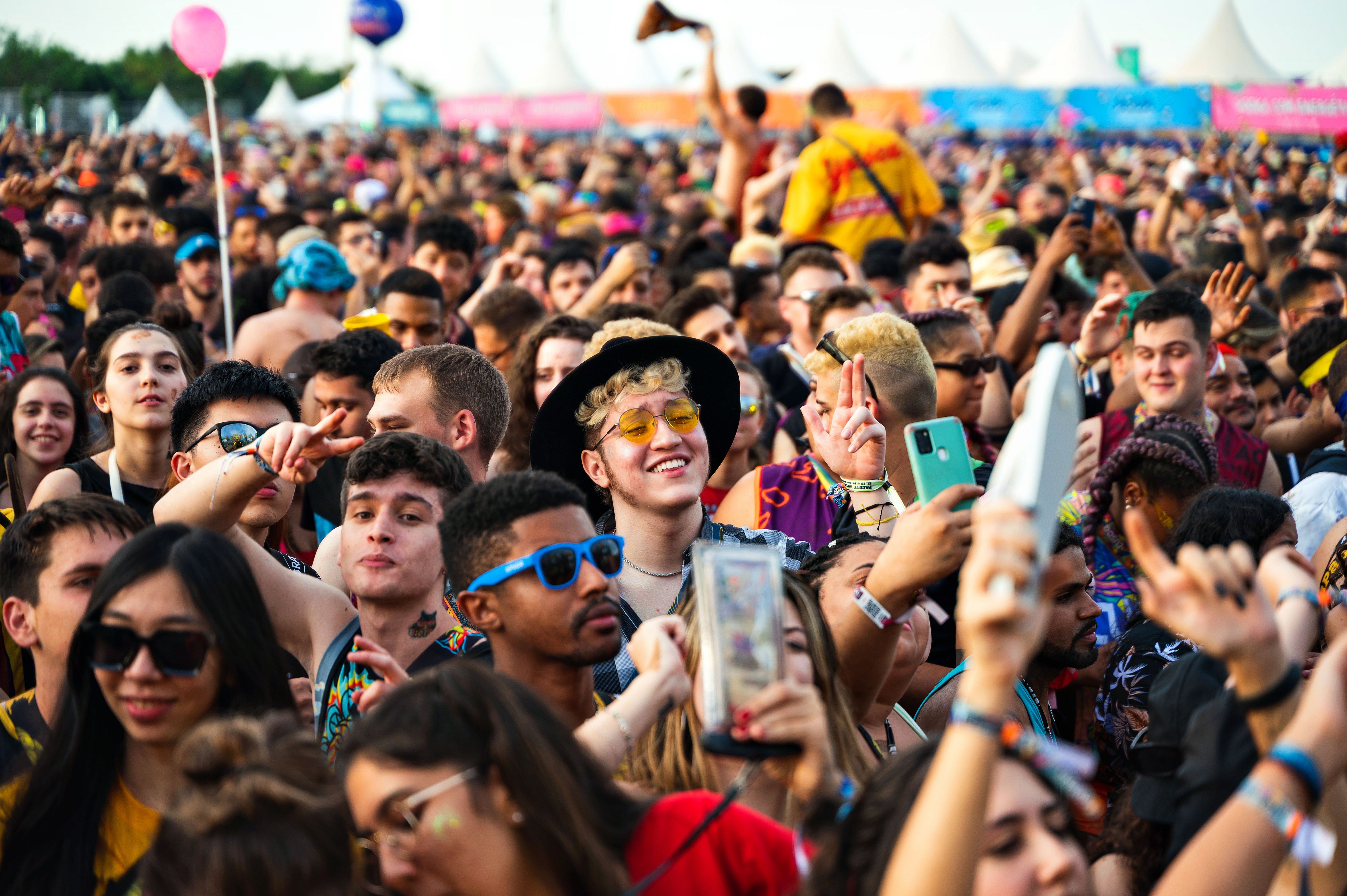
One of the most important safety aspects of every music festival is effective gate and capacity management. With some festivals attracting tens of thousands of festival-goers this is an essential part of event planning and operational management. This prevents overcrowding, crowd crushes, security breaches, and avoids delays during emergencies.
With festivals becoming larger and more complex, organisers need to combine traditional planning and stewarding with the latest technology. During the panning phase organisers will need to establish the venue capacities and use that as a basis for site design and gate management. Having robust operational procedures can ensure that safety risks are minimised, queue times reduced, and unauthorised access is prevented. What are the steps that organisers need to consider when planning their capacity and gate management.
Planning for Safety.
Organisers can use historical data to help estimate the expected demand for an event and combined with ticket sales data can provide an overall expected attendance. This needs to be balanced with the venue capacity, which is often determined after inspections by local emergency services who will consider access and resources available to arrive at a safe maximum number. Once a number is determined, organisers can start planning how to support festival-goers with sufficient numbers of toilets, food vendors and entrance/exit gates. Once the number of gates required is determined, the operational management of them should remain flexible with a dynamic gate control approach. This may involve opening additional gates and redirecting festival-goer traffic to prevent dangerous crowd build up. This is especially important during peak periods that occur when the event opens or closes, and many organisers now implement phased arrivals and departures which prevent the rapid buildup of crowds. Organisers, where possible, should have contingency plans in place for unexpected events like adverse weather, fire, terrorist incidents or infrastructure failure. Emergency exit and evacuation plans are an essential part of planning, and local authorities will insist on these before issuing any event permits.
Festival Gate Layout and Design.
The principle for gate design is to keep people moving constantly and to have a sufficient numbers of gates with festival-goers allocated to specific gates. Most events will have multiple entry lanes to spread the queue load with separate entrances for general admission, VIPs, staff, artists, and media for example. Good queue management processes and systems allow for shade and drinking water with digital wait-time displays along with staff who can manage queuing festival-goers and provide emergency exit form queues if required. A modern event also uses the latest technology to ensure fast and safe passage through gates when entering or exiting.
Technology.
The modern festival utilises the latest technology to help festival-goers pass through gates quickly and efficiently. Festival-goers use QR codes and RFID wristbands linked to their ticket purchase, which can be quickly scanned and verified at each gate. Some organisers are using facial recognition for access control, but this is still in development rather than being in widespread use. As well as speeding up the entry process, these technologies help prevent fraud and unauthorised access to an event. A significant delay can be caused at some events with security screening which involves bag and personal searches, but these are slowly being replaced by metal detectors, walk through scanners and handheld wands for example. Even where event capacity is carefully anticipated and planned for, there is still the possibility of crowd buildups and bottlenecks forming which can present significant safety risks. Organisers are now using technology that enables them to perform real-time cowed monitoring. A combination of CCTV linked to AI crowd analytics software along with RFDI tracking can detect any potential issues early enabling organisers to take immediate action. At large outdoor events organisers also utilise autonomous drones to provide additional situational awareness for operations teams.
Staff Training.
Festival organisers usually invest significant time and resources to train their staff and volunteers with a focus on health and safety. This training usually includes some exercises to simulate common problems associated with crowd management and enables them to better respond effectively under pressure. Other training topics can include understanding crowd psychology, effective queue management, conflict resolution, recognising signs of crowd distress, ticket and security scanning systems, and emergency procedures. A well-defined reporting and escalation procedure ensures that staff will know what to do and how best to communicate the details of any developing emergency.
For festival organisers planning their next event using a software management platform like Festival Pro gives them all the functionality they need manage every aspect of their event logistics. The guys who are responsible for this software have been in the front line of event management for many years and the features are built from that experience and are performance artists themselves. The Festival Pro platform is easy to use and has comprehensive features with specific modules for managing artists, contractors, venues/stages, vendors, volunteers, sponsors, guestlists, ticketing, site planning, cashless payments and contactless ordering.
Image by Daniel Duarte via Pexels
<< Back to articles
Contact us
Get in touch to discuss your requirements.
US: +1 424 485 0220 (USA)
UK: +44 207 060 2666 (United Kingdom)
AU: +61 (2) 8357 0793 (Australia)
NZ: +64 (0)9887 8005 (New Zealand)