Managing Music Festival Sponsor ROI Pressure.
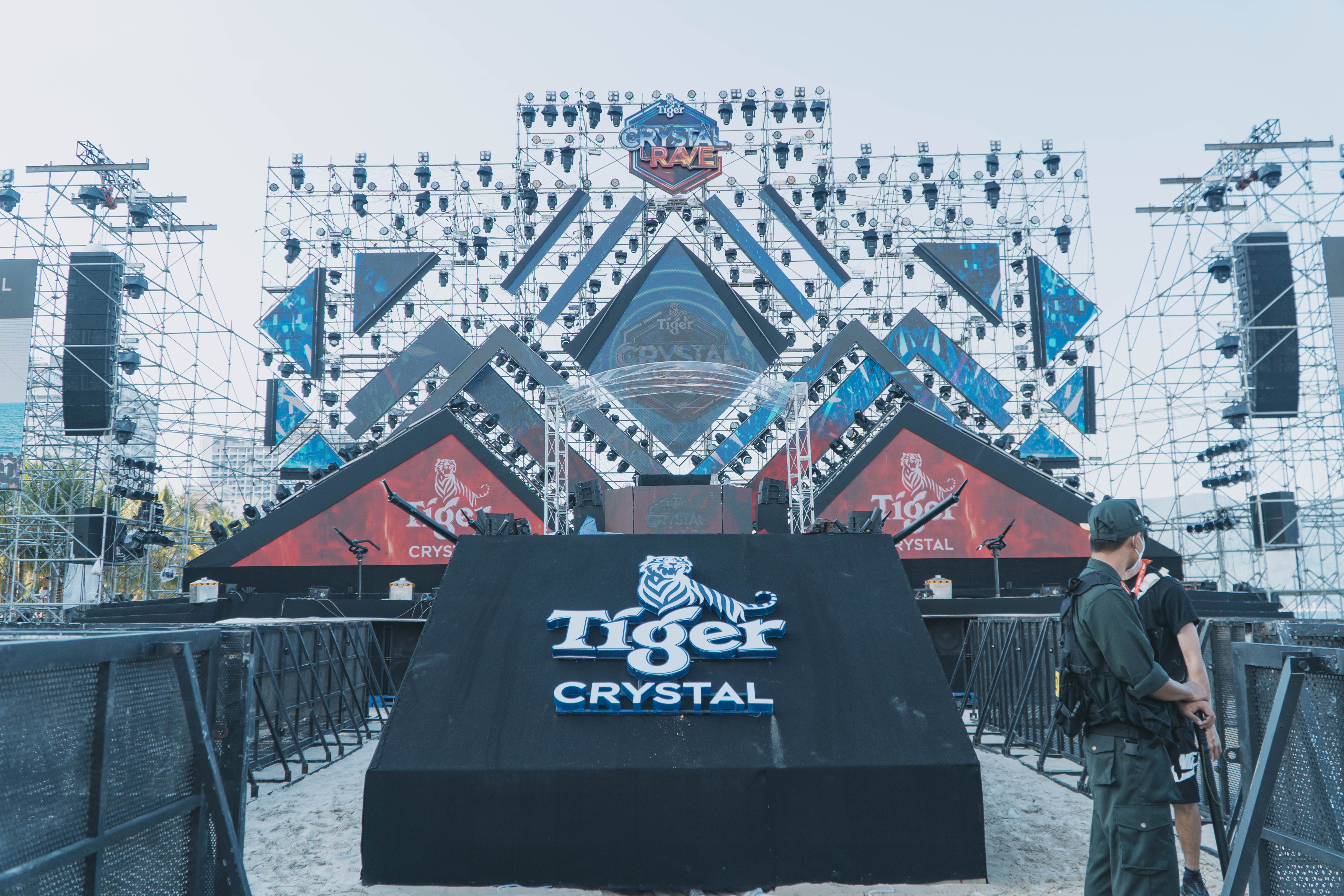
Commercial sponsors are an essential part of every music festival's business model and provide a key revenue stream. Obtaining any sponsorship deal is challenging for festival entities to achieve, but fulfilling those deals can be difficult. What can organisers do to manage the increasing demands from sponsors to demonstrate clear ROI metrics.
With ever increasing pressure on economies, rising costs and challenging consumer demand commercial sponsors are looking at ways to clearly demonstrate ROI on their marketing spend. The portion of marketing spend allocated to sponsoring live events has traditionally been difficult to apply a definitive revenue metric, and this pressure is now falling on festival organisers to illustrate the benefits of sponsoring an event. Festival entities are now expected to provide clear evidence that any partnership will drive brand objectives, how can organisers balance sponsor expectations with festival-goer experience and overall festival authenticity.
The Sponsor Landscape for Music Festival Entities.
To be successful in selling sponsorship deals in 2026 festival organisers must have a focus on selling measurable business outcomes to make deals attractive. Sponsors expect great quality marketing data as a result of their involvement, including metrics on engagement and detailed festival-goer demographic analysis. Sponsors will be analysing their entire marketing budget against objectives set and resulting incremental sales revenue. Festival sponsorship will always be compared to other marketing activities, making budget allocation increasingly competitive internally. Brands with sponsorship budgets will want festival organisers to provide lead generation results, content performance, photographic and video assets, social media reach and brand activation performance metrics.
Common Sponsor Demands.
Brand sponsors are more inclined to require very specific data when considering a deal, and typically this will revolve around the expected number of festival-goers to attend, and will they engage with brand activation activities. Will the brands participation generate real lead opportunities and will the sponsorship influence purchase intent. Does the festival-goer demographic profile closely align with the sponsoring brand and what measurable sales revenue is expected?
Defining Deliverables.
Fully understanding the demands from potential sponsors can help organisers build proposals that help to clearly define success metrics. These need to be agreed before any contracts are signed so that both parties agree on what is to be delivered. Measurable objectives can include product sampling, lead generation, app downloads, social engagement, and content creation, for example. The agreed deliverables need to be backed up with defined KPIs along with how and when these metrics will be reported. Some organisers build tiered sponsorship packages which have defined deliverables that can vary depending on the level of investment made. The most expensive sponsorship package will usually provide greater opportunities for deliverable metrics.
Implementing Deliverables.
Defining metric deliverables for sponsors is straightforward but how can festival organisers actually make these a reality. Organising entities should ensure that they implement robust GDPR compliant data collection from third parties where possible. This can include ticketing platforms, festival apps, QR code activations, Wi-Fi sign ins, and cashless payment systems, for example. Sophisticated crowd monitoring software systems can provide additional analysis and data on metrics like footfall, dwell times and queue volumes. Brand activation can be obtained from data on competition entries, products sampled, QR code scans for lead generation and RFID interactions, for example. In some instances, a well-prepared organiser can provide real-time data to sponsors that gives them actual attendance numbers, social reach, digital impressions, content performance, and actual leads generated. Organisers must always ensure that they provide a well-balanced event that does not push excessive branding, aggressive data collection, intrusive promotional staff and too many sponsor activation activities on festival-goers as these can detract from their overall enjoyment of the event.
Technology and Continuous Feedback.
The use of currently available technology can help organisers with accurate data collection and metrics analysis in real time rather than waiting to present results post event. This level of transparent reporting helps to provide sponsors with up-to-date metrics on performance of their sponsorship investment. In some instances, emerging ROI technology uses AI analytics for instant feedback. Cashless ecosystems provide insights into purchase behaviour, product popularity, and festival-goer movement patterns, for example. Online activities on websites and social media platforms are increasingly able to provide attributable data on visits, engagement and other interactions with festival-goers.
For festival organisers planning their next event using a software management platform like Festival Pro gives them all the functionality they need manage every aspect of their event logistics. The guys who are responsible for this software have been in the front line of event management for many years and the features are built from that experience and are performance artists themselves. The Festival Pro platform is easy to use and has comprehensive features with specific modules for managing artists, contractors, venues/stages, vendors, volunteers, sponsors, guestlists, ticketing, site planning, cashless payments and contactless ordering.
Image by Quyn Pham via Pexels
<< Back to articles
Contact us
Get in touch to discuss your requirements.
US: +1 424 485 0220 (USA)
UK: +44 207 060 2666 (United Kingdom)
AU: +61 (2) 8357 0793 (Australia)
NZ: +64 (0)9887 8005 (New Zealand)