Diversity Imagery Guidelines for Music Festival Advertising.
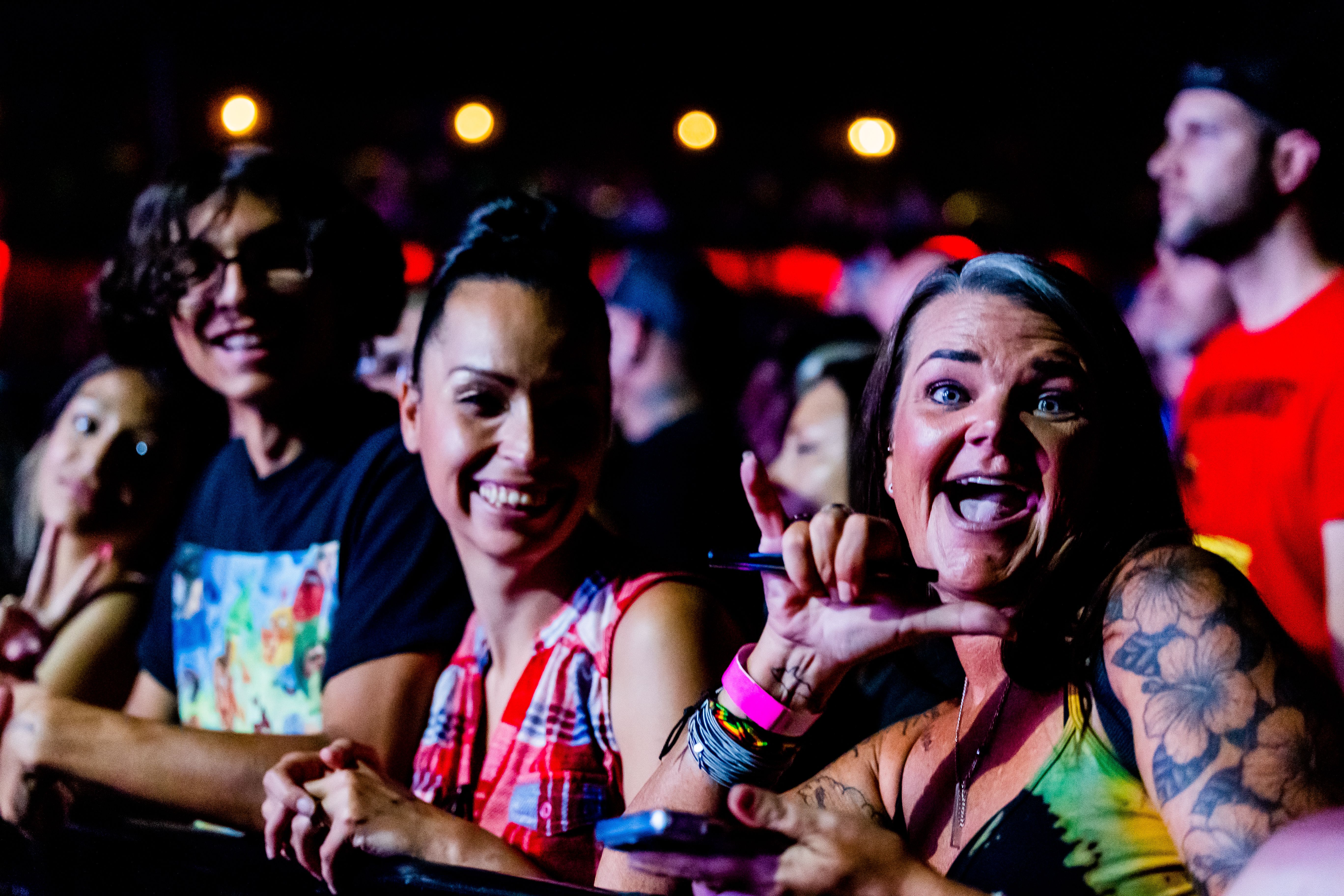
In Europe and North America diversity and inclusion are essential aspects of any advertising, especially when it relates to imagery like photographs and video. This is particularly relevant to the events sector because imagery is a key tool used to promote events and sell tickets. What are the advertising guidelines for festivals when considering how they represent diversity.
Most music festivals focus on imagery in their promotional material as it is the easiest way to showcase festival-goer experiences. The people represented on photography, videos, posters, websites and social media can have a significant impact on whether potential ticket buyers feel the event is relevant, welcoming and accessible to them. When considering the imagery to use organisers should ensure that they use authentic representations rather than something that is obviously manipulated to meet guidelines. What steps can organisers take to ensure they meet diversity guidelines in the imagery used in promotional campaigns.
General Diversity Advertising Guidelines for Festival Imagery.
Imagery is a key communication tool used by all brands to show how they include everyone as existing and potential customers. Any imagery used must be authentic and genuine without being manipulated to satisfy compliance with advertising standards. Imagery should include a broad range of people and give equal prominence and visibility to different groups whilst avoiding stereotypical, patronising or inappropriate portrayals. Advertising campaigns should also respect cultural identities, traditions and religious considerations. Irrespective of the advertising channels or platforms used the imagery must apply the same diversity and inclusion standards.
Key Diversity Categories.
When applying diversity and inclusion standards that must be met the key categories can be broad. Most of these categories are common sense and typically include age, ethnicity, gender and disability representation where imagery must be balanced and varied. Other emerging categories are becoming more important too and include body diversity (different body shapes, sizes and physical appearance) and different cultural identifies and communities plus representation of different family structures (families with children, couples, friendship groups and solos) for example.
Representing Festival-Goer Audiences.
Whilst applying diversity and inclusion principles to mixed genre music festival, imagery is relatively straightforward, however, it can be more challenging for some niche genre music festivals. A heavy metal music festival has demographics that are usually dominated by white males so producing authentic imagery that shows a diverse audience can be challenging, for example. All music festivals now have great initiatives to make their events accessible providing facilities and assistance to ensure those with any disability are welcome. Any related imagery used must be supported by real genuine accessibility provision on a festival site. Festival imagery depicting a young audience should be avoided because it does not reflect the spread of different age groups that attend, age diversity in imagery helps to demonstrate that a festival audience extends beyond a single generation. Gender representation in festival imagery should include audiences as well as performers and those working at events too. It is important that imagery is balanced between men and women with appropriate inclusion of transgender and non-binary people.
Tokenism.
It is not uncommon for festivals to treat diversity as a photographic checklist where the use of an image is merely used to meet diversity claims rather than being genuine. Where possible imagery should use real people form real situations with meaningful representation rather than positioning them as visual symbols of diversity. The same principle applies to stereotyping so imagery should avoid associating particular ethnicities, genders or age with specific activities, music genres or roles. Those being represented in imagery should grant their explicit permission for use in advertising campaigns to ensure that those representations are an honest reflection of festival-goer experiences, performances or employment. for example.
Advertising Agency and Photographic Briefs.
Most festival entities employ professional photographers and advertising agencies to record imagery and create campaigns that reflect the event and entice future ticket buyers. The brief given to photographers and advertising agencies should include the festival's representation requirements so that audience imagery includes a varied selection of people and groups. Where possible imagery should be natural and exclude forced interactions in a variety of balanced festival environments which may include audiences, vendors, stages, camping and backstage, for example. A preference should be given to original genuine imagery rather than relying on stock suppliers where imagery is often staged to achieve diversity.
For festival organisers planning their next event using a software management platform like Festival Pro gives them all the functionality they need manage every aspect of their event logistics. The guys who are responsible for this software have been in the front line of event management for many years and the features are built from that experience and are performance artists themselves. The Festival Pro platform is easy to use and has comprehensive features with specific modules for managing artists, contractors, venues/stages, vendors, volunteers, sponsors, guestlists, ticketing, site planning, cashless payments and contactless ordering.
Image by Caleb Oquendo via Pexels
<< Back to articles
Contact us
Get in touch to discuss your requirements.
US: +1 424 485 0220 (USA)
UK: +44 207 060 2666 (United Kingdom)
AU: +61 (2) 8357 0793 (Australia)
NZ: +64 (0)9887 8005 (New Zealand)